Museum Collection Storage Solutions
Our museum collection storage solutions support archives, artifacts, textiles, archaeological materials and study collections while balancing space efficiency, controlled access, collection care and practical retrieval.
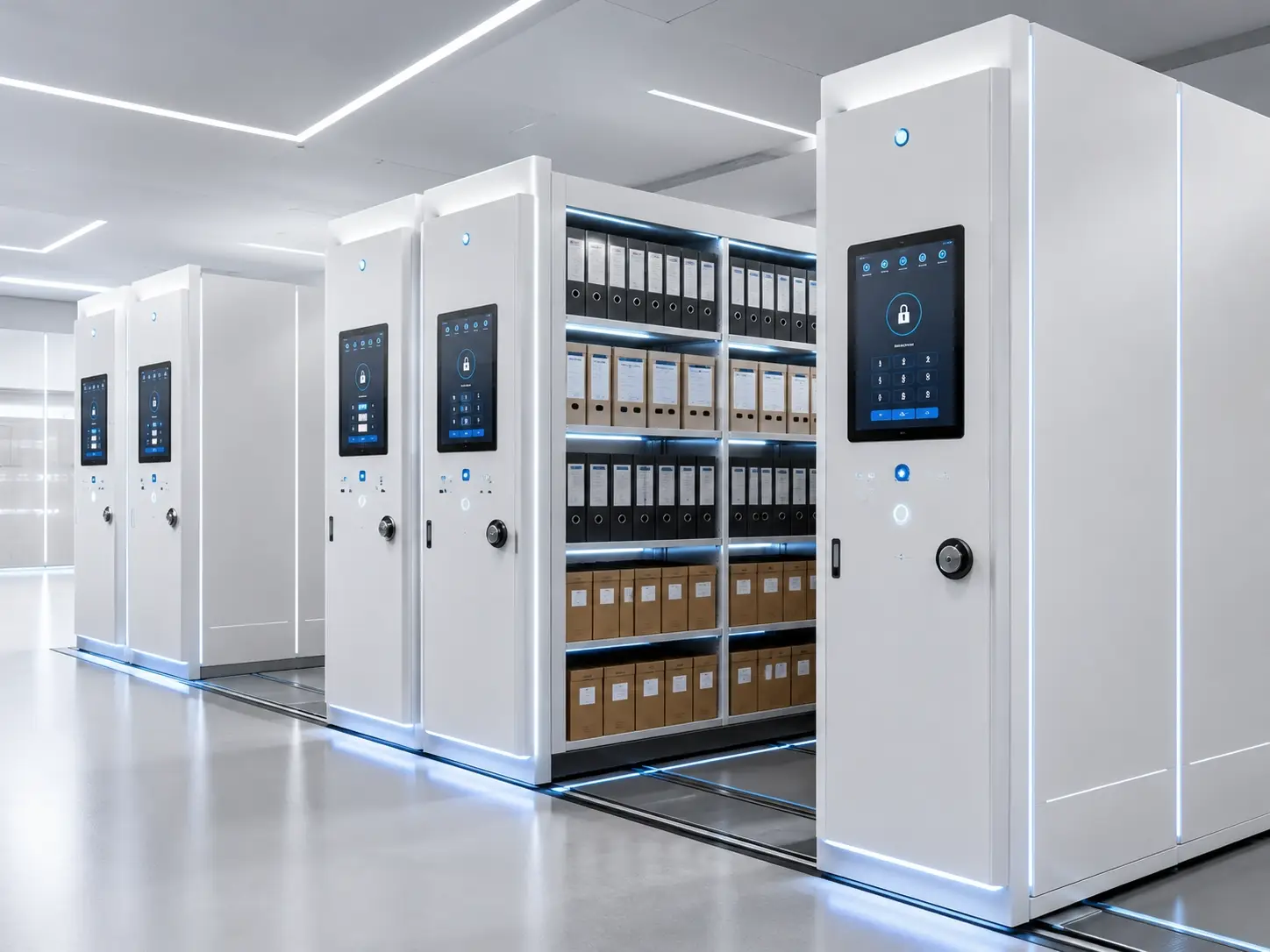
System type, shelf configuration and environmental requirements are confirmed by collection category and room conditions.
Protect access, capacity and collection condition together
Museum storage cannot be planned only by counting shelves. The solution must reflect object dimensions, handling frequency, conservation sensitivity, access responsibility and the amount of growth expected over the collection’s working life.
How museum collection storage solutions support different materials
A museum store may combine several storage conditions in one building. Effective museum collection storage solutions divide the project into collection groups before selecting mobile shelving, cabinets, open racks or specialist accessories.
Documents and bound recordsAdjustable steel shelves, archive-box sizing, label visibility and controlled high-density access.
Small and medium artifactsCompartment trays, enclosed cabinets, dust control and shelf depths matched to object dimensions.
Rolled or flat textile collectionsWide supports, low-friction handling, suitable spacing and room-level environmental coordination.
Boxed study collectionsHigh-volume shelf loading, clear inventory zones and stable access for research or cataloging work.
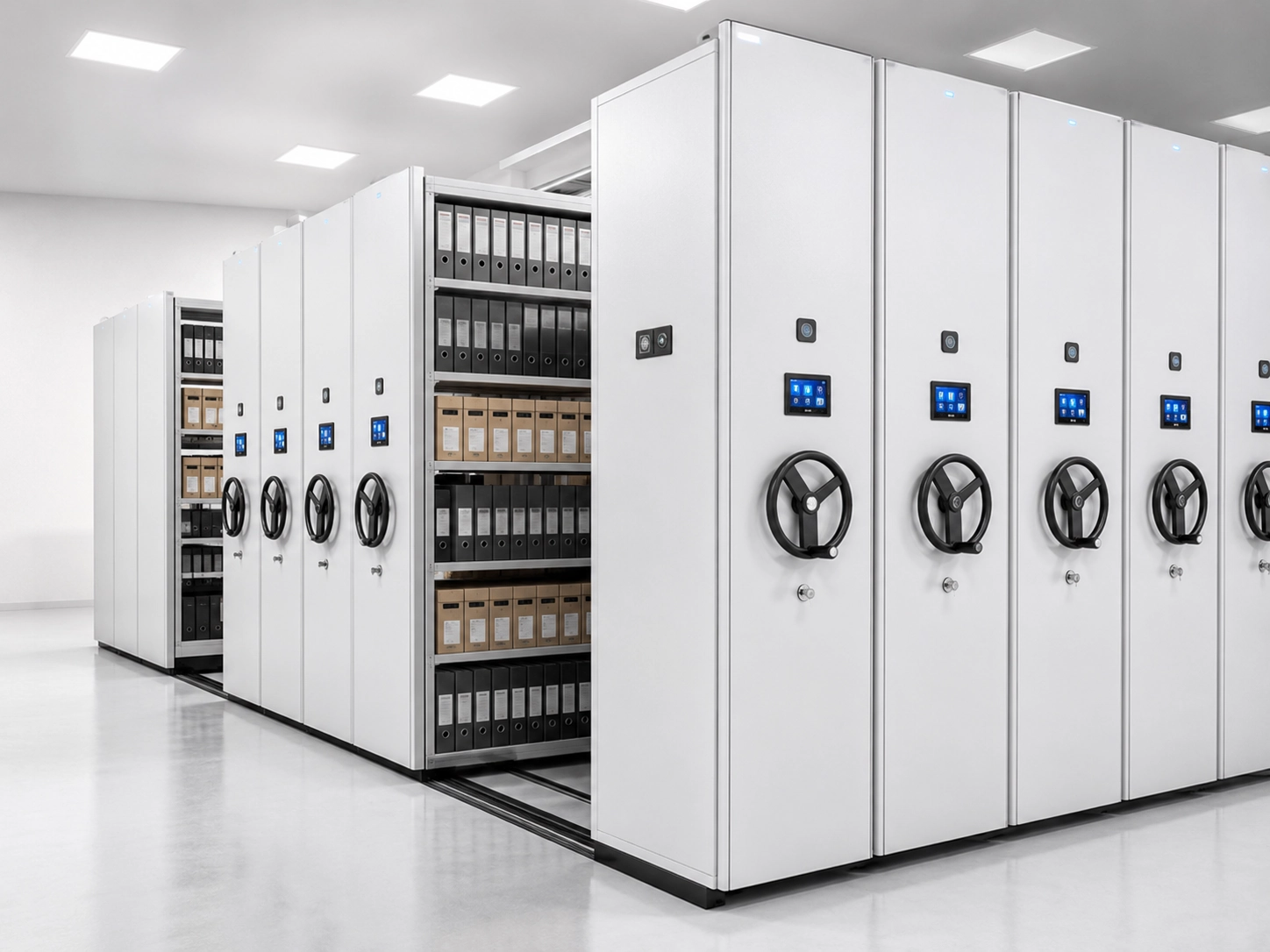
Mobile systems are valuable for compatible collections, while specialist objects may require cabinets or fixed shelving.
Match each storage system to the material and handling route
Four checks before the storage layout is approved
The museum’s collection policy and conservation requirements remain the primary reference. The shelving proposal must then fit the building, stored load and daily operating process.
Storage equipment is one layer of collection care
Shelving should support ventilation, cleaning, inspection and safe handling. It cannot replace an appropriate building envelope, HVAC strategy, monitoring program or conservation policy.
For broader professional guidance, review the U.S. National Park Service Museum Handbook, Part I, which includes museum collection storage, environmental standards, fire protection, security and emergency planning.
Organize the store around movement and responsibility
Temporary assessment area
Worktable and trolley space
Configuration is confirmed by collection type and room conditions
| Planning Item | Typical Considerations |
|---|---|
| Storage system | Manual, electric or smart mobile shelving; fixed shelving; enclosed cabinets; specialist accessories |
| Shelf width | Typically 800–1200 mm per bay, adjusted for object size, span and safe handling |
| Shelf depth | Typically 250–600 mm or project-specific depths for boxes, objects, trays or rolled materials |
| Load capacity | Confirmed by shelf span, steel thickness, collection weight distribution and mobile-base design |
| Finish | Powder-coated steel with project-selected color, surface requirements and corrosion protection |
| Access control | Mechanical locks, local controls, passwords, cards or permission levels where required |
| Safety provisions | Anti-tilt design, emergency stop, obstacle sensing, aisle protection and operating warnings as applicable |
| Environmental coordination | Clearances for airflow, monitoring points, cleaning access and room-level conservation requirements |
| Growth allowance | Allocated by collection category, acquisition plan and expected cataloging or research use |
From collection schedule to installed storage
Museum collection storage planning questions
Is mobile shelving suitable for all museum collections?
No single system suits every material. Mobile shelving works well for many boxed archives, study collections and compatible artifacts, while oversized, fragile or specialist objects may require fixed racks, cabinets, drawers or dedicated supports.
How much future growth space should a museum storage room include?
Growth allowance should be based on the acquisition plan and collection category. A fast-growing archive may need a different reserve than a stable object collection, so SAS recommends calculating expansion separately for each group.
Can museum storage include controlled user access?
Yes. Depending on the project, access may use mechanical locks, local controls, passwords, cards or configured permissions. The method should match staffing, security policy and emergency access requirements.
Can shelving solve humidity or temperature problems?
Shelving can support airflow, monitoring access and good housekeeping, but it cannot replace suitable HVAC, building-envelope control or a professional conservation program.
What information is needed to plan museum collection storage solutions?
Please provide the room plan, ceiling height, door sizes, floor information, collection categories, box or object dimensions, estimated quantities, shelf loads, access frequency, environmental requirements and expected growth.
Can SAS combine mobile shelving, cabinets and fixed shelving in one project?
Yes. Mixed-system layouts are often more practical for museum stores because different collection groups have different dimensions, handling methods and access requirements.
Plan museum collection storage solutions around your collection
SAS can prepare museum collection storage solutions covering zoning, storage density, equipment selection, shelf configuration, safety provisions and installation requirements.