About SAS: Archive Storage Supplier for Mobile Shelving, Cabinets and Library Shelving
SAS is an archive storage supplier focused on mobile shelving systems, archive storage cabinets, library shelving and steel filing cabinets for document, record, book and high-density storage projects.
Our project discussions begin with practical information such as room dimensions, stored materials, storage capacity, access frequency and preferred operating method so that the buyer can move from an initial requirement toward a defined configuration and quotation.
Define the Requirement Before Finalizing the Product
A useful quotation requires more than a product name. We first clarify the storage scenario and the information that affects the final configuration.
Focused on Archive, Document and Library Storage
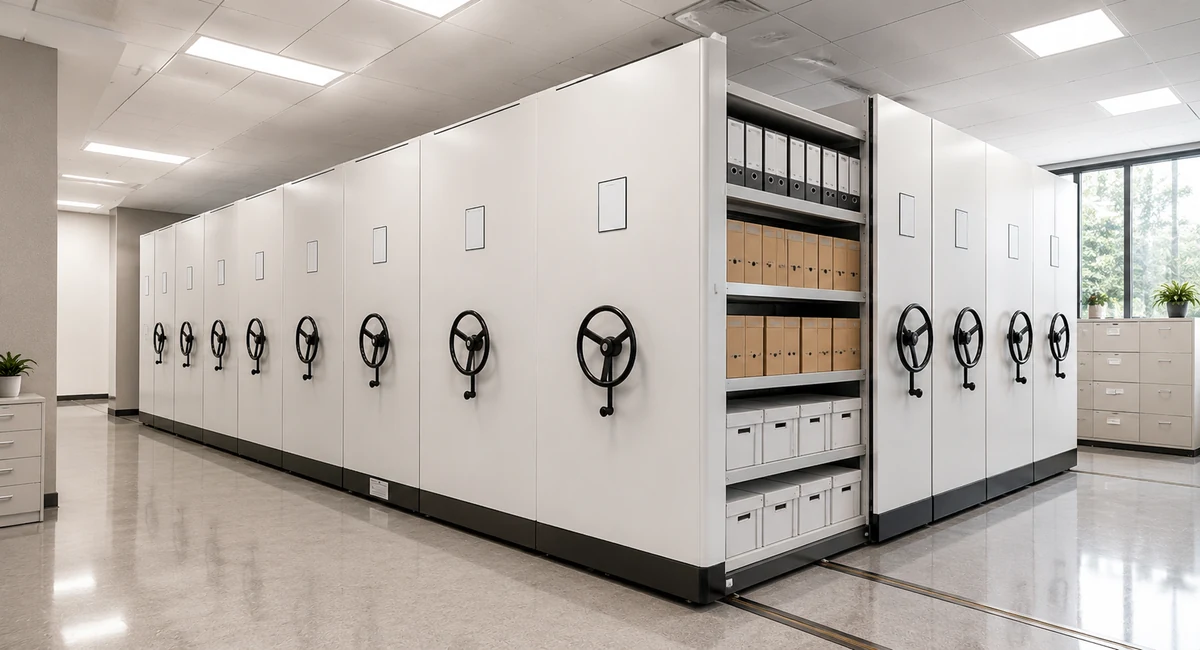
SAS focuses on physical storage products used for organized records, documents, books and archive collections.
Some projects need high-density mobile shelving to reduce permanent aisle space. Others require enclosed archive cabinets, open-access library shelving or filing cabinets for frequently accessed office documents.
The correct product therefore depends on the actual use case rather than one universal storage system.
Our role is to help clarify that use case, identify the information still required and support the buyer in defining a practical product and quotation basis.
The same quantity of records can require a different solution when room dimensions, document format, retrieval frequency, aisle requirements, user access or future growth change.
What Buyers Can Expect From SAS as an Archive Storage Supplier
SAS supports the product-selection and project-definition stage of archive storage procurement. The exact equipment, technical functions, installation boundary and commercial scope are confirmed according to each project rather than assumed from generic website descriptions.
Four Core Archive and Document Storage Categories
The product range is organized around different storage-density, access and document-format requirements rather than an unrelated catalog.
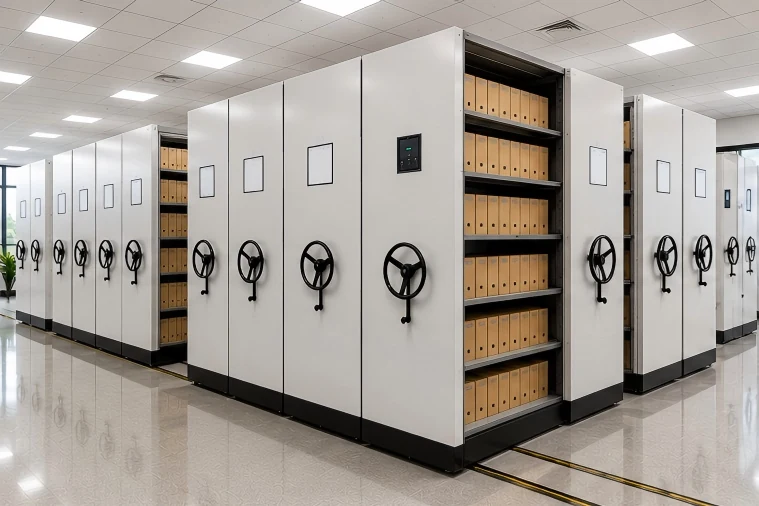
Mobile Shelving System
For archive rooms and record centers where reducing permanent aisle space can increase usable storage capacity.
View Mobile Shelving →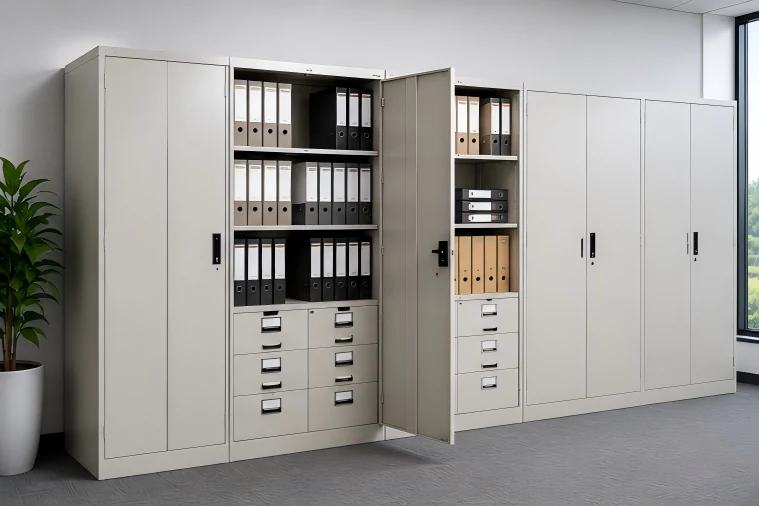
Archive Storage Cabinet
For folders, binders, archive boxes and records requiring enclosed shelf-based steel storage.
View Archive Cabinets →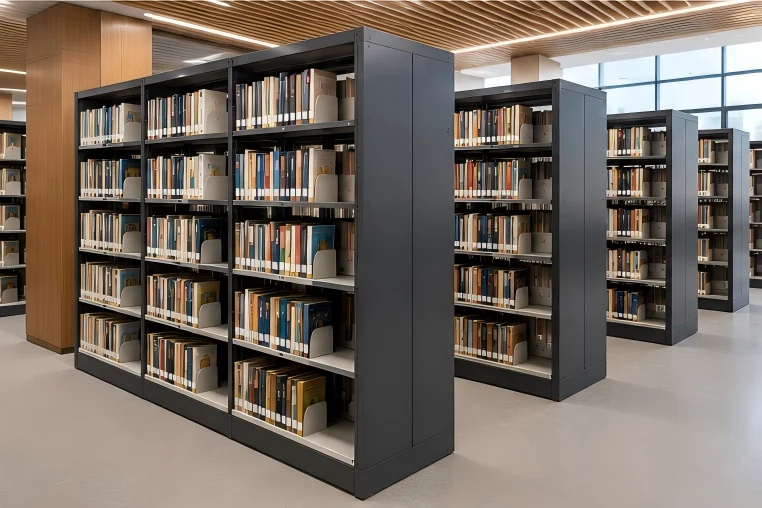
Library Shelving System
For schools, universities, public libraries and open-access book collections requiring multiple browsing aisles.
View Library Shelving →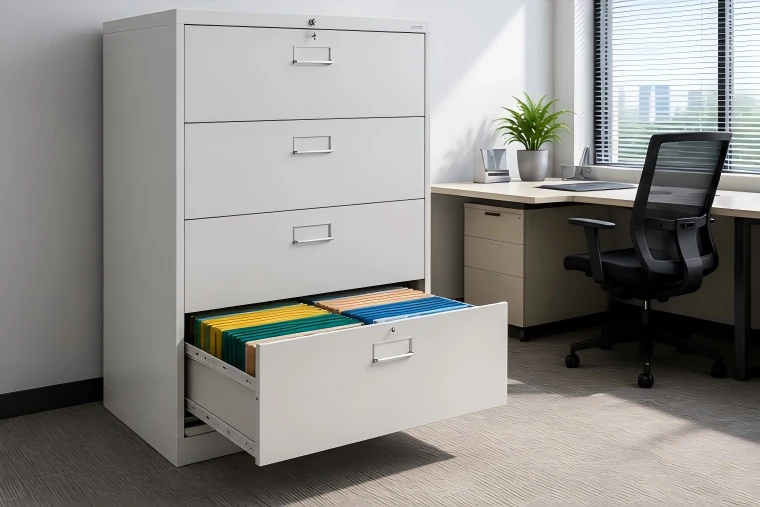
Steel Filing Cabinet
For contracts, personnel files, financial documents and other frequently accessed office records.
View Filing Cabinets →How SAS Moves an Initial Requirement Toward a Defined Quotation
Project-based archive storage should connect the room, stored materials, capacity, operating method and commercial scope instead of discussing each item separately.
Understand the Storage Scenario
Identify whether the requirement concerns an archive room, office, library, school, institutional records area or another physical storage environment.
Understand What Must Be Stored
Review document type, archive quantity, shelf demand, stored-item dimensions and expected future growth.
Choose the Product Direction
Compare fixed cabinets, manual mobile shelving, electric mobile shelving, smart shelving or library storage according to the workflow.
Clarify Technical Details
Confirm dimensions, shelf levels, loading, locks, operation, rails, project-specific functions and other required configuration details.
Define the Commercial Scope
Quantity, packing, destination, installation expectations and other confirmed project information form the quotation basis.
Project Buyers, Distributors and Organizations With Direct Storage Requirements
Different buyers enter the procurement process with different levels of technical information. A complete specification is useful but is not required to begin the first discussion.
Contractors & Project Buyers
For archive rooms, institutional storage, libraries and office projects where the room layout and equipment configuration need to be reviewed together.
Furniture & Storage Distributors
For buyers sourcing mobile shelving, archive cabinets, library shelving or filing cabinets for resale or local projects.
Institutions & End Users
For organizations that know what they need to store but require help translating the requirement into a suitable physical storage configuration.
What Is Confirmed Before a Project Moves Forward
Technical descriptions on the website are useful for preliminary selection. Final project-specific values and functions should still be confirmed before quotation, production or installation.
Typical Dimensions and Loading
Website ranges are planning references. Final height, bay width, shelf depth, shelf levels and loading depend on the selected product and project.
Electric and Smart Features
Control, safety, access-permission or integration functions are confirmed according to the actual project configuration instead of being assumed as universal standard features.
Site and Structural Conditions
SAS can provide equipment and layout information. Final confirmation of building structure, regulatory requirements and site suitability remains with the responsible project parties.
Useful Project Data Is More Valuable Than a Generic Model Number
A buyer does not need to arrive with a finished technical specification. The first discussion can begin with the information already available.
For mobile shelving, a room drawing can often reveal more than a model name because room width, length, doors, columns and operating aisle requirements determine the possible layout.
For cabinets and library shelving, the stored-item dimensions, quantity and access pattern help define shelf depth, levels and configuration.
Missing dimensions or technical details can be identified during the inquiry process rather than guessed in advance.
Room Information
Clear length, width, height, doors, columns, fixed facilities and available storage area.
Stored Materials
Archive boxes, folders, binders, books, office files or other materials that define shelf requirements.
Capacity & Growth
Current quantity, linear shelf demand, archive-box quantity and expected future growth.
Access & Operation
Retrieval frequency, number of users and preference for fixed, manual, electric or smart operation.
Project Location
Destination country, project site, installation situation and known building conditions.
Commercial Scope
Quantity, packing requirements, delivery expectations and other information needed for quotation.
Review the Planning Logic Behind SAS Storage Projects
These guides explain how capacity, layout, operating method, safety and installation conditions affect a mobile shelving project before the final configuration is selected.
Mobile Shelving Dimensions & Capacity Guide
Understand rows, bays, shelf levels and linear filing capacity.
Read Capacity Guide →Archive Room Layout Planning Guide
Review rooms, aisles, archive zones, columns, doors and future growth.
Read Layout Guide →Manual vs Electric vs Smart Mobile Shelving
Compare operation, control complexity, access and maintenance requirements.
Compare Systems →Installation & Floor Load Guide
Review rails, building conditions, structural responsibility and commissioning.
Read Installation Guide →Use the Same Contact Channels for Product and Project Inquiries
Send the room plan, stored-item information, capacity requirement or product specification through the SAS contact page, email or WhatsApp.
Keeping project communication connected to the same website contact channels also makes it easier to review earlier technical discussions and quotation requirements.
Planning an Archive Storage or Mobile Shelving Project?
Send the product requirement, room dimensions, stored materials, approximate quantity and destination. SAS can use the available information to begin product selection, configuration discussion and quotation preparation.