
Protect archive collections through controlled storage conditions.
Archive environment control connects the room envelope, temperature, humidity, air quality, preservation equipment and daily operating discipline. SAS helps define the project scope around the collection, building conditions, storage layout and responsible technical teams.
Environment control is a room-and-collection decision
Archive materials respond to moisture, heat, air movement, pollutants, dust, light and sudden changes. A useful environment project does not begin with a generic device list. It begins with the collection, the room, the building services, the operating pattern and the level of control the owner can maintain.
Four layers of environmental control
The final project should state which layer is supplied, coordinated or owned by another technical party. No universal parameter or compliance result is implied without project-specific assessment.
Match the environmental scope to the actual risk
| Condition or risk | Planning direction | Question for the project team |
|---|---|---|
| High or fluctuating humidity | Review room sources, storage clearance, monitoring, dehumidification scope and response ownership. | What change is important, who reviews it and what adjustment is possible? |
| Temperature instability | Assess HVAC, solar gain, equipment, room use, monitoring points and seasonal behavior. | Which areas or collection formats are most sensitive to change? |
| Dust or airborne pollutants | Coordinate air-quality objectives, filtration, cleaning, building routes and collection protection. | What is the source, what evidence is required and who maintains the control? |
| Fragile or high-value collections | Define preservation priorities, inspection frequency, packaging, restricted access and incident response. | Which preservation decision needs technical or conservation approval? |
Environment control must fit the storage system
Storage equipment influences airflow, clearance, access for inspection and the effort required to maintain stable conditions. The environment scope should therefore be reviewed with archive cabinets and mobile shelving rather than designed as a separate room afterthought.
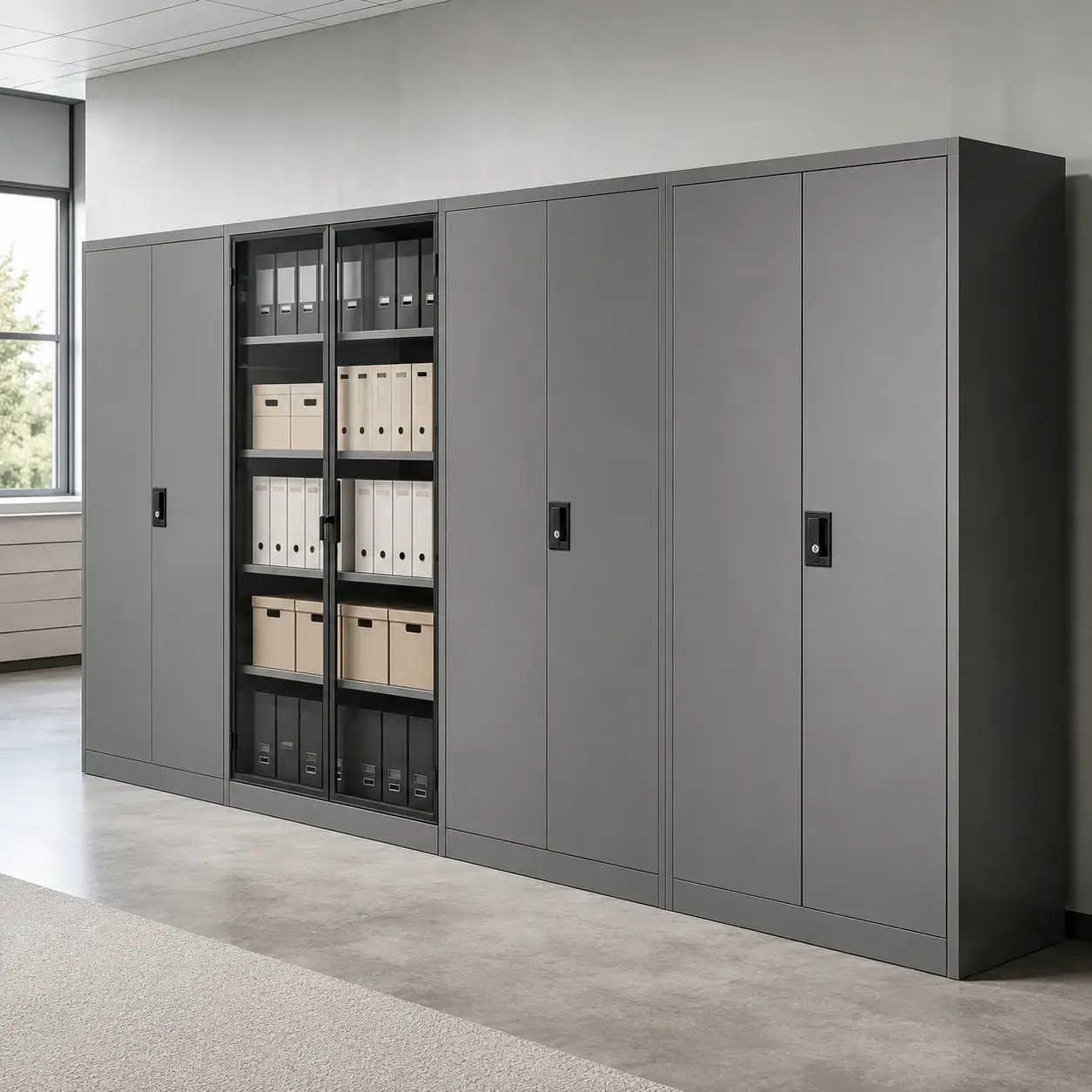
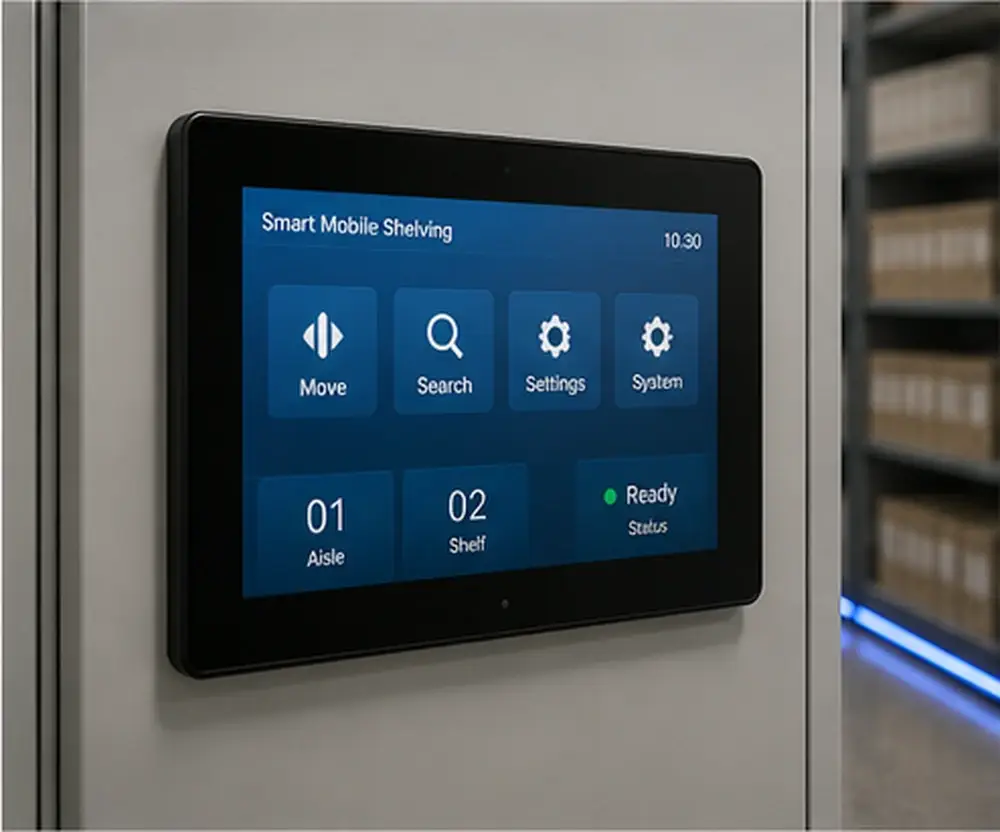
Environment control directions
How SAS develops the environmental scope
Information needed for a preliminary review
Archive Environment Control FAQ
Does SAS publish one universal temperature and humidity value?
No. The appropriate targets and allowable changes depend on the collection, building, local requirements and responsible preservation or engineering review. The project should confirm them rather than assume a single number.
Is environmental monitoring enough without a response plan?
No. The owner should define who reviews information, what change requires action, which adjustment is possible, how incidents are recorded and who maintains the system.
Can environmental control be planned with mobile shelving?
Yes. Storage layout, aisle access, clearance, airflow, inspection and service routes should be reviewed together with the room and collection requirements.
Does this page claim that SAS manufactures every environmental device?
No. The page defines a project and coordination scope. Exact equipment, supplier responsibility, interfaces and maintenance must be confirmed for the approved project.
Who approves preservation decisions?
The archive owner and responsible conservation, building or engineering professionals should approve collection-specific preservation and building requirements.
Build a maintainable archive environment
Send the room plan, collection profile and existing environmental information. SAS will help define a project scope that is clear about conditions, equipment, responsibilities and ongoing maintenance.