Archive Security Monitoring System for Document Storage Facilities
Project-based monitoring for archive rooms, restricted storage zones and records facilities—combining security awareness, access events, equipment status and actionable alerts around the real archive workflow.
Security monitoring system should make archive-security exceptions easier to see and act on
This security monitoring system is useful when the archive owner knows which conditions matter, who reviews them, what must be recorded and what response follows. SAS defines the monitoring scope around archive rooms, storage operations, access points and project responsibilities instead of assuming a universal camera or alarm package.
Room & Access Visibility
Monitor entrances, restricted archive rooms, service routes and other approved zones.
Storage Status
Review relevant mobile shelving, cabinet, aisle or operating-status information.
Risk Signals
Coordinate water, environment, power or equipment events with the responsible system.
Events & Escalation
Define alert, confirmation, inspection, escalation, service and incident records.
Connect archive monitoring points through a defined data and event layer
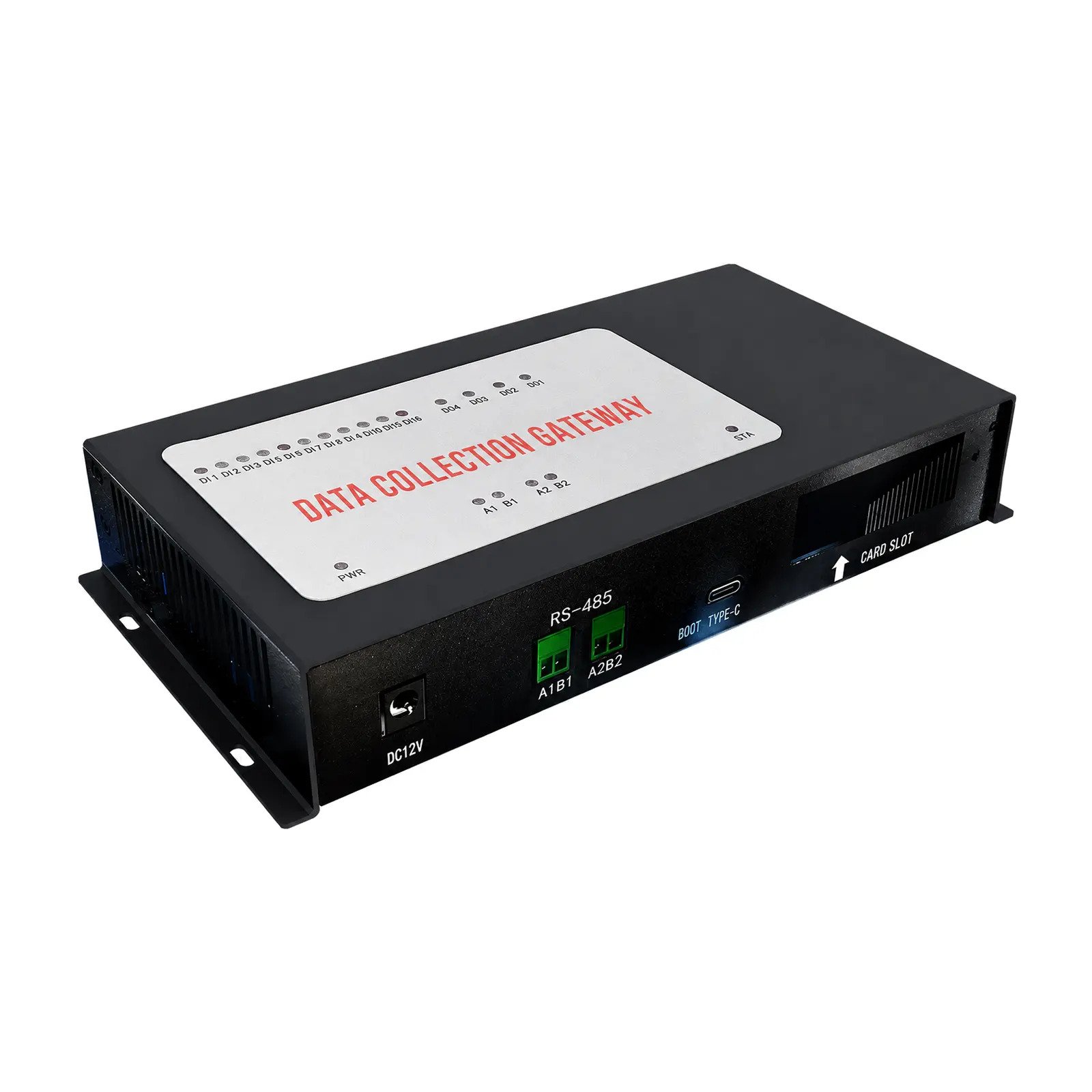
Where project architecture permits, data collection and event gateways can help consolidate approved status signals from archive subsystems. The final interfaces, protocols, privacy rules and alert ownership must be confirmed for each project.
- Define each information source and normal condition
- Separate actionable alarms from informational status
- Assign primary and backup responders
- Document permissions, retention and service responsibilities
Separate monitoring objectives before selecting equipment
| Objective | What the project may monitor | Control question |
|---|---|---|
| Security awareness | Entry points, restricted areas, visitor activity or unusual access conditions. | Who may view the information and how are privacy and retention handled? |
| Storage operation | Row movement, aisle availability, control status, blocked conditions or maintenance state. | Which condition requires operator action or service response? |
| Collection protection | Water risk, environmental conditions, equipment alarms or archive-room changes. | Which alert is urgent and who acts first? |
| Incident review | Events, timestamps, inspections, response actions and permission changes. | What evidence is required to understand and close the incident? |
For broader records-protection context, see the U.S. National Archives records management guidance.
Monitoring must match the actual archive layout
SAS reviews the relationship between rooms, cabinets, mobile shelving, access boundaries, operating aisles and maintenance routes so monitoring points support real decisions instead of generating unowned information.
- Map protected archive zones and access boundaries
- Coordinate security events with storage-operation status
- Keep inspection and maintenance access practical
- Define responsibility for every high-priority alarm

Project development sequence
Build a complete archive-security control layer
Security monitoring works best when access control, water-risk detection and broader archive security responsibilities are clearly separated but coordinated.
Archive Security Monitoring FAQ
Does archive security monitoring always mean CCTV?
No. Depending on project scope, monitoring may include access events, storage-operation status, water-risk alarms, environmental signals, inspections or other approved information sources.
Can the monitoring system connect with the Smart Archive Platform?
It can be considered as a status or event layer when the data source, interface, permissions, privacy rules, support scope and response responsibility are approved.
How long should security monitoring records be retained?
The archive owner and responsible authority should define retention according to the purpose, privacy requirements, contractual obligations and applicable local rules. SAS does not assume one universal retention period.
Who should receive archive security alerts?
Each alert type should have a primary reviewer, backup contact, confirmation method, escalation path and maintenance or service responsibility before project handover.
What information does SAS need for a preliminary monitoring plan?
Provide the archive room plan, access points, storage layout, operating hours, collection sensitivity, existing security or building systems, required records, alert recipients and destination country.
Monitor what the archive team can act on
Send the room plan, storage arrangement, access points and security priorities. SAS can define a focused security monitoring system scope with clear signals, alerts, records and response ownership.