Archive Preservation Equipment for Controlled Storage Environments
Integrated preservation equipment for archive intake, dust removal, purification, mold-control support, deacidification workflows and environmental coordination in records rooms, repositories and conservation areas.
Preservation equipment is part of a complete archive-care workflow
Archive preservation is not solved by one appliance. Equipment selection should follow the material condition, treatment objective, room zoning, expected throughput and the environmental controls already installed around the archive.
Intake & Dust Removal
Reduce dust and loose-particle transfer before records enter treatment or long-term storage areas.
Purification
Use enclosed or controlled equipment for selected archive formats where filtration and controlled handling are required.
Mold-Control Support
Support a defined response process where mold, spores or contaminated archive materials require controlled treatment.
Deacidification Support
Support acid-removal workflows for suitable paper materials with methods and consumables confirmed by the preservation team.
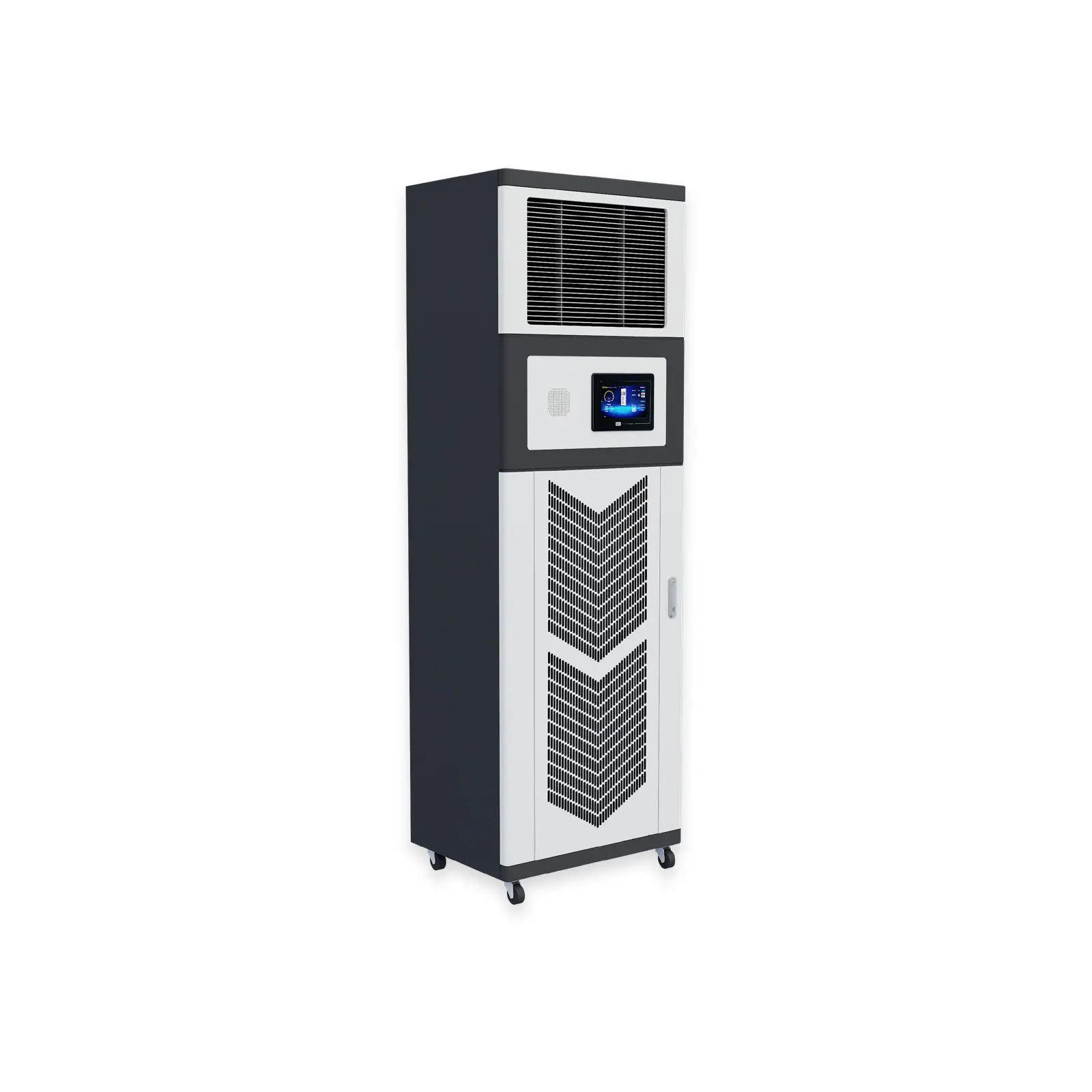
Archive preservation equipment for acid removal and purification
Archive preservation equipment can be configured for dedicated preservation rooms where purification, deacidification or controlled processing forms part of the collection-care workflow.
- Suitable for project-defined archive preservation workflows
- Coordinates with room-level temperature, humidity and air-quality monitoring
- Operating method, treatment compatibility and consumables must be confirmed before use
- Installation and service access should be included in room planning
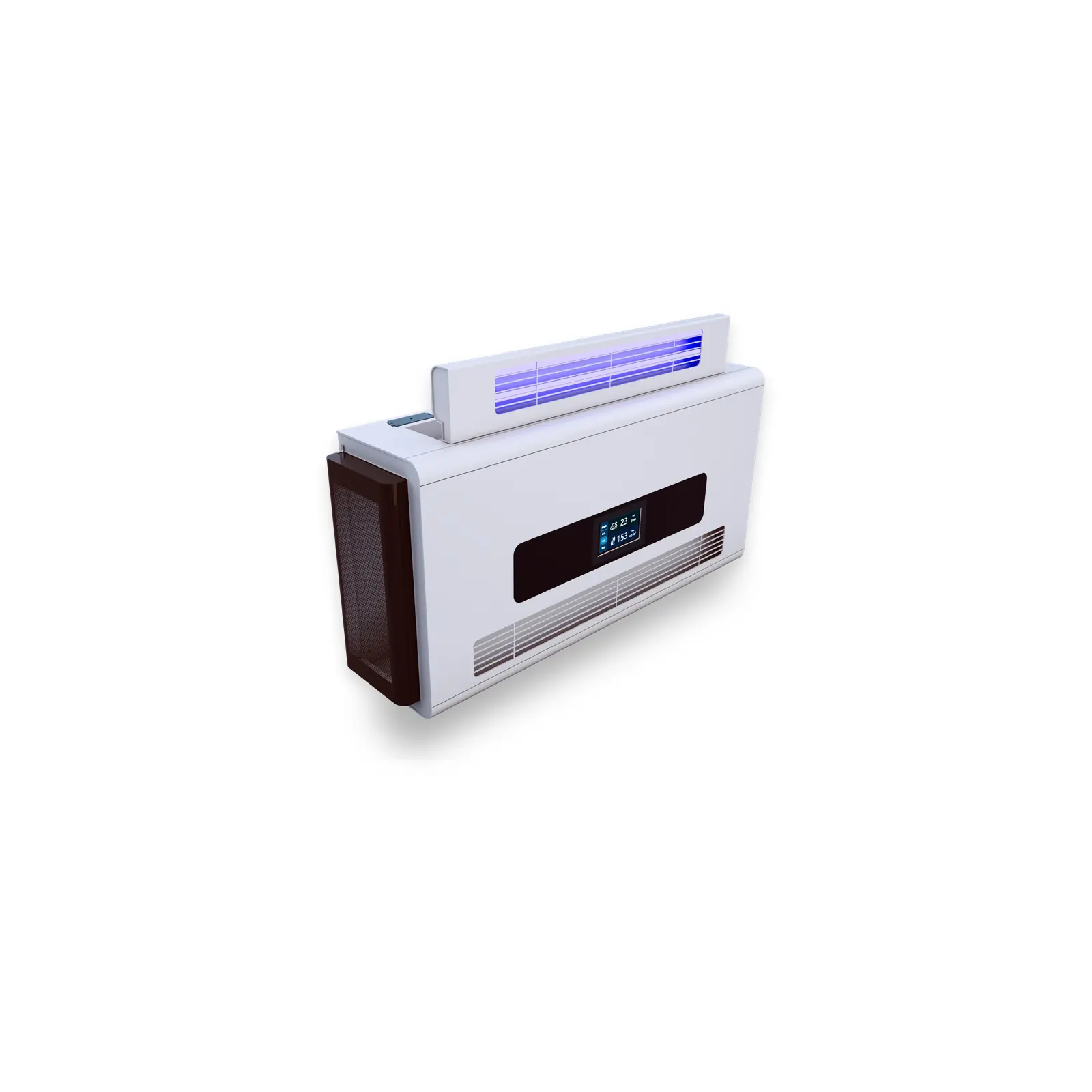
Mold purification and contamination-control support
Where mold or biological contamination is a known archive risk, equipment should be positioned inside a documented preservation process rather than treated as a standalone cure.
- Define contaminated-material intake and clean/dirty zoning
- Coordinate treatment with archive air-quality monitoring
- Record cleaning, filter and maintenance requirements
- Escalate material requiring specialist conservation review
Catalogue-backed technical examples
The figures below describe named catalogue examples and should not be treated as universal specifications for every archive project.
| Example | Documented information | Typical role |
|---|---|---|
| CCJH460Y | Maximum dust-removal airflow 460 m³/h; stated PM2.5, TVOC and formaldehyde purification rates ≥99%; noise <40 dB; 5-inch full-colour capacitive touchscreen; 550 × 1,160 × 930 mm; four casters. | Compact dust-removal and purification workstation for archive handling areas. |
| CCJH1200B | Maximum dust-removal airflow 1,200 m³/h; enclosed purification cabinet capacity stated at ≥280 L, suitable for at least 35 archive boxes of 5 cm thickness; noise <40 dB; AC220V 50Hz; 1,500 × 850 × 1,700 mm; 180 kg. | Higher-capacity enclosed workstation for a defined intake or treatment room. |
| Environmental coordination | Related archive environment equipment can monitor temperature, humidity, PM2.5, PM10, formaldehyde, TVOC and CO₂. | Room-level operating evidence around treatment and long-term preservation. |
Final model, quantity, treatment compatibility, electrical requirements, installation and operating procedure must be confirmed against the collection and room survey. See the NPS Museum Handbook for broader collection-care context.
How SAS specifies an archive preservation equipment package
Connect preservation treatment with the archive environment
For a reliable preservation plan, equipment should work together with room-level environmental monitoring and humidity control instead of operating as an isolated device.
Archive Preservation Equipment FAQ
Does preservation equipment replace professional conservation assessment?
No. Equipment supports a defined preservation workflow. Material assessment, treatment compatibility and conservation decisions remain the responsibility of the qualified preservation or conservation team.
Can one preservation unit handle every archive format?
No. Material type, size, condition, contamination, treatment objective and compatibility determine the suitable equipment and process.
Why connect preservation equipment to temperature, humidity and air-quality monitoring?
Treatment and storage rooms can have different risks. Environmental monitoring provides operating evidence, supports alarms and helps the archive team review room conditions over time.
What information is needed for a quotation?
Provide the archive material type, current condition, expected treatment throughput, room layout, available power, environmental-control system, destination country and any required installation or commissioning scope.
Can SAS supply a complete preservation-room package?
SAS can coordinate preservation equipment with archive environment control, storage systems and project planning. Final treatment methods and specialist conservation procedures should be confirmed by the responsible preservation team.
Plan the preservation workflow around the collection
Send the archive material type, current condition, expected throughput and room layout. SAS can coordinate this archive preservation equipment package with environmental controls and storage planning into one project package.