
Archive Water Leakage Monitoring System for Early Risk Detection
Water-leak detection and response planning for archive rooms, records centers and document storage facilities—focused on vulnerable points, fast warning, clear responsibility and practical protection of stored collections.
Protect archive rooms by detecting water risk before damage spreads
Paper records and other archive materials can be damaged rapidly by roof or pipe leakage, HVAC condensation, drainage failures, rain ingress and nearby wet services. A useful archive water leakage monitoring system links vulnerable-point detection to a documented response.
Prevent
Review routes, drainage, storage clearance and building conditions that can reduce exposure.
Detect
Place approved sensors or monitoring points where water is most likely to appear first.
Respond
Assign alert recipients, first inspection, escalation, isolation and collection-protection actions.
Recover
Document the incident, protect affected records, restore the room and improve the control plan.
Archive water-leak monitoring should start at the most vulnerable points
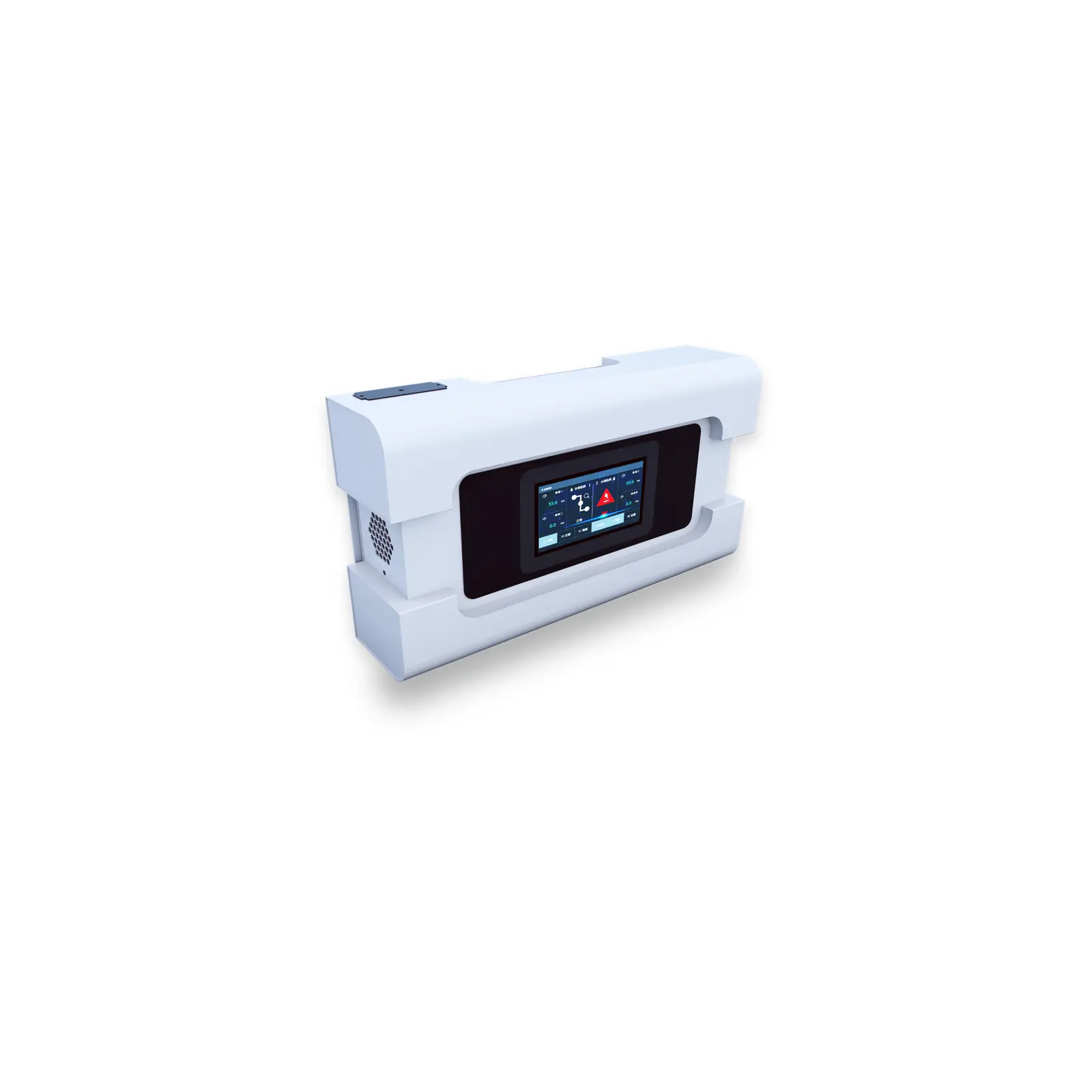
Dedicated monitoring equipment can provide early warning where archive rooms have identifiable water-risk points. Device placement should follow the actual room survey rather than a fixed universal layout.
- Monitor selected low points, service routes and vulnerable archive zones
- Coordinate device alarms with responsible archive or facility staff
- Plan power, network, inspection and maintenance access
- Define the required response before the system is commissioned
Where archive water risks usually come from
| Potential source | Planning response | Project question |
|---|---|---|
| Pipes, drains and wet services | Review routing, isolation, vulnerable points, storage clearance and monitoring responsibility. | Who can inspect or isolate the source when an alarm occurs? |
| HVAC condensation or discharge | Coordinate equipment location, drainage, service access and alert response. | What condition should trigger the first warning? |
| Doors, walls, windows and low points | Review rain ingress, seals, thresholds, drainage and archive-storage placement. | Which areas require inspection after severe weather or building work? |
| Cleaning and maintenance activity | Use controlled work procedures, temporary protection and post-work checks. | Who confirms the archive area is safe after work is completed? |
Coordinate leak detection with mobile shelving and archive storage
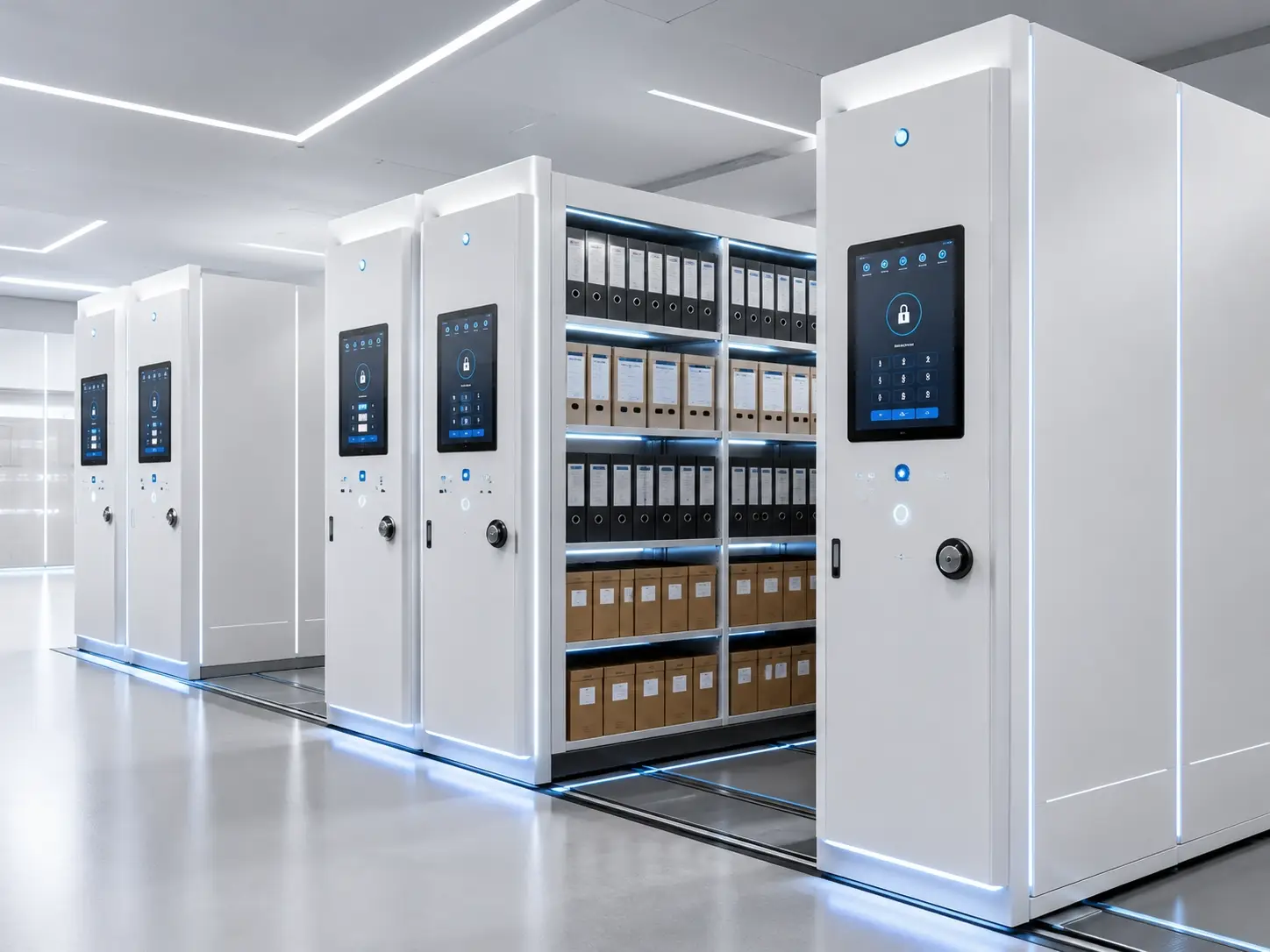
Storage equipment cannot fix a building water problem, but its location, floor clearance, aisle access and service routes can strongly affect how quickly a leak is found and how much material is exposed.
- Keep vulnerable pipe and drainage routes accessible for inspection
- Avoid placing high-value archive materials directly in known water-risk zones
- Preserve safe aisle access for emergency inspection or relocation
- Coordinate water alarms with archive security and facility response plans
Project development sequence
Coordinate water-risk protection with the wider archive system
Water monitoring is most effective when it is integrated with archive security responsibilities, storage planning and environmental control.
Archive Water Leakage Monitoring FAQ
Can a water-leak sensor prevent archive water damage?
A sensor supports early warning. Actual protection also depends on building condition, storage placement, isolation capability, response time and the archive’s emergency procedure.
Where should water-leak monitoring points be installed?
They should be selected from a room survey and vulnerable-point assessment, including low points, pipe or service routes, HVAC equipment, doors, walls and hard-to-inspect areas.
Can water-leak monitoring connect with the Smart Archive Platform?
It can be considered as a project information layer when the signal source, interface, alarm meaning, responsibility and support scope are confirmed.
What should happen after a water-leak alarm?
Follow the approved safety procedure, inspect the source, isolate or escalate where appropriate, protect or relocate exposed archive materials, record the incident and review the risk-control plan.
What information is needed for a preliminary quotation?
Provide the archive room plan, floor level, nearby wet services, HVAC and drainage information, storage layout, collection sensitivity, operating hours, existing monitoring and destination country.
Plan for the first warning and the next action
Send the archive room plan, service routes and storage arrangement. SAS can define vulnerable points, monitoring scope and response responsibilities around the archive.
Archive Water Leakage Monitoring System planning reference
This archive water leakage monitoring system page explains how the monitoring scope, storage layout and response procedure work together. For records-management guidance, review the U.S. National Archives records management policy resources alongside the project survey.