Make archive storage visible, controlled and easier to operate.
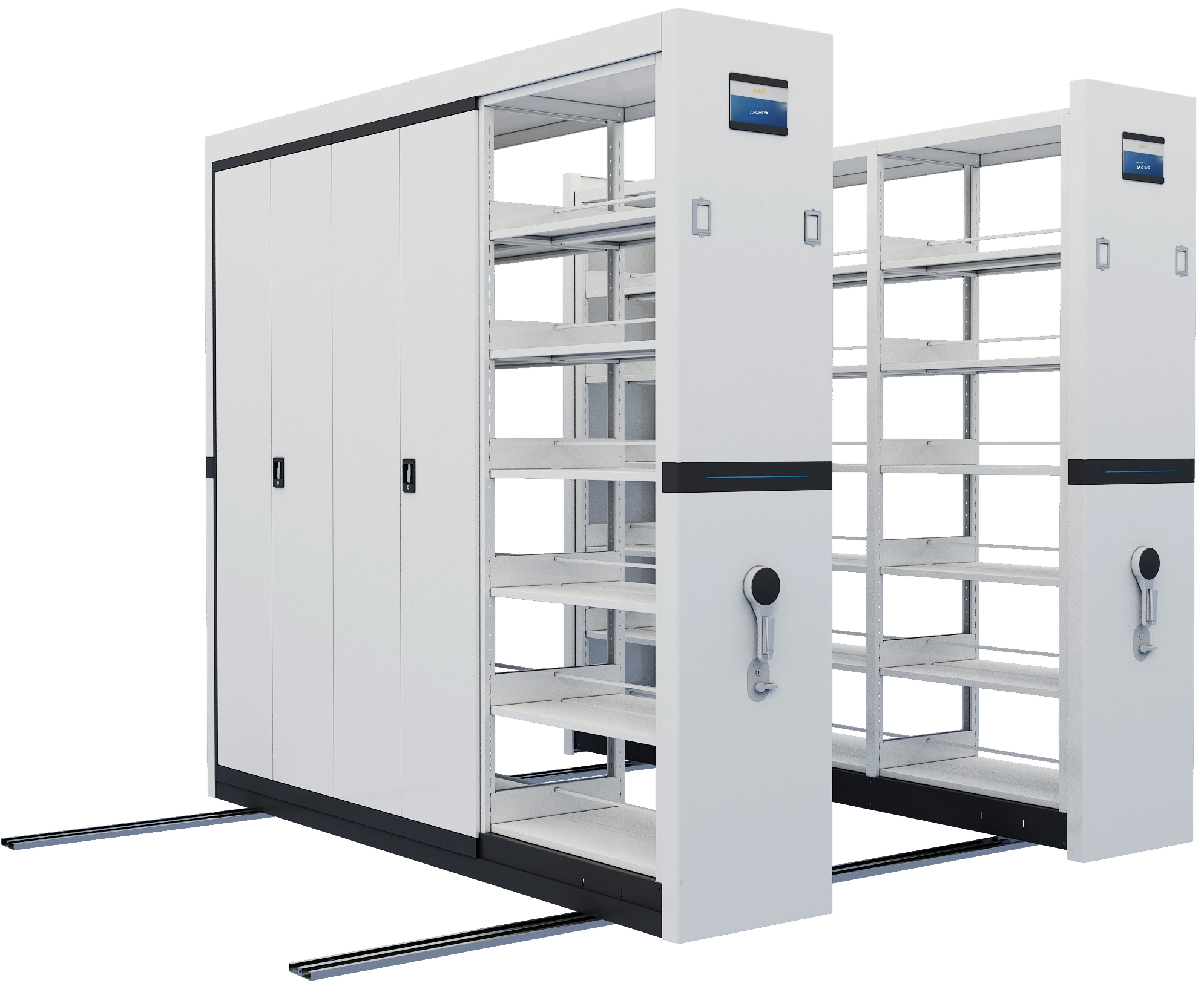
A smart archive management system connects the physical storage room with the information, permissions and workflows that staff use every day. SAS helps project teams define the right digital layer around mobile shelving, archive cabinets and controlled archive operations without separating software from the real room.
What a smart archive system should solve
Smart technology is useful when it reduces uncertainty in the archive: where an item is located, who may access it, which aisle or cabinet is available, what movement has taken place and how the operating team can maintain control. The required system scope depends on the collection, user roles, retrieval frequency, security rules and the existing information environment.
Four layers of smart archive management
A complete smart archive project is not only a touchscreen or a database. It is a coordinated operating layer built around the physical archive environment.
Smart archive system options
SAS can organize the digital scope according to the level of control the project actually needs. The three product directions below can be combined or specified separately after the archive workflow is understood.
Smart Archive PlatformFor coordinated permissions, status visibility and connected archive-room functions.
Digital Archive Management SystemFor structured digital records, retrieval administration and long-term archive information management.
A smart archive system starts with the physical room
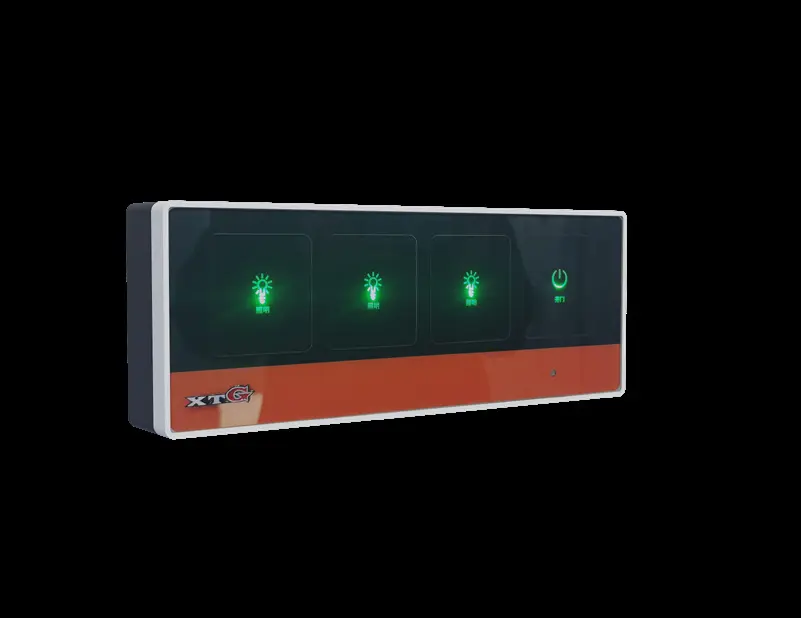
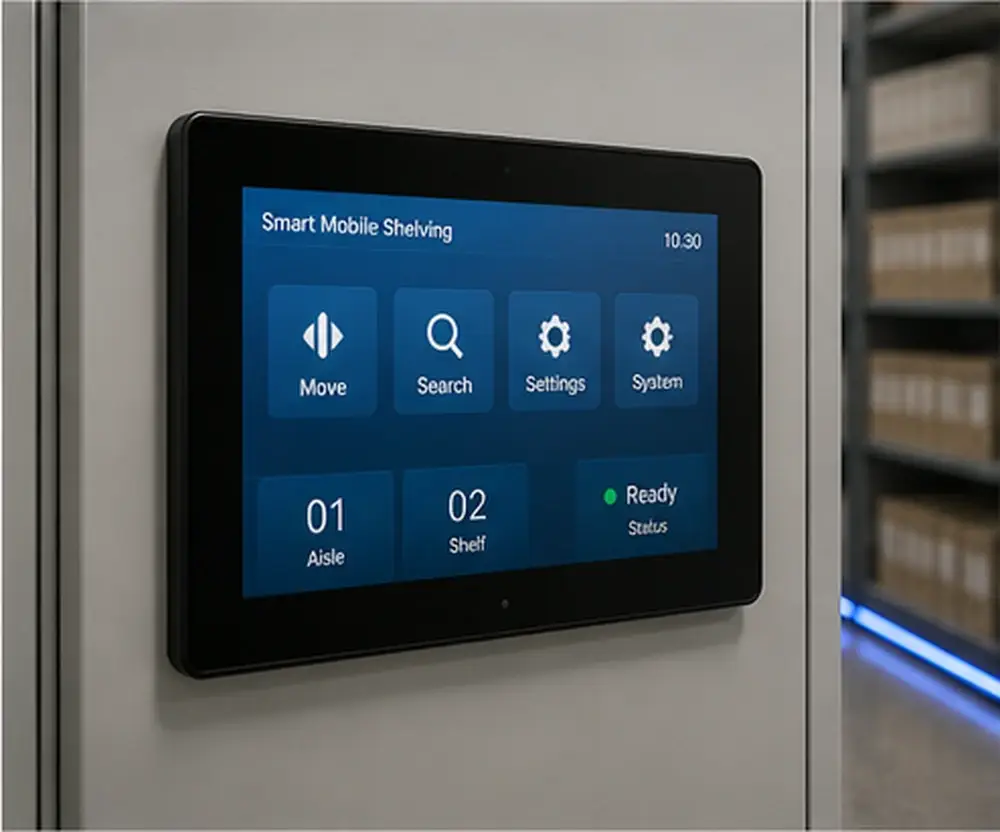
The digital layer is only credible when it is mapped to the storage equipment, control points and operating sequence on site. Review identification, access, movement and operator interfaces as one coordinated system before defining the project scope.
How SAS develops the smart scope
Smart archive management FAQ
Does every archive room need a smart management system?
No. The system level should match the number of users, retrieval frequency, security requirements, collection sensitivity and the value of operational traceability. A simpler project may only need controlled movement and clear identification.
Can a smart layer be added to mobile shelving?
Yes, the scope can be reviewed around the existing or proposed shelving system, control points, user permissions and operating workflow. Compatibility and responsibility for data and maintenance should be confirmed before implementation.
What information is needed for a preliminary review?
Share the room plan, stored-item format, estimated quantity, retrieval frequency, user roles, access rules, preferred control level and any existing archive or document-management requirements.
Can RFID, access control and environmental monitoring be coordinated?
They can be considered as connected project layers, but the final interface and responsibility should be confirmed according to the building, local requirements and the technical scope approved for the project.
Who maintains the system after handover?
The project should define responsibilities for user permissions, item data, devices, network or software support, backups, maintenance and staff training before handover.
Plan a connected archive operation
Send the room plan, archive workflow and preferred control level. SAS will help define a project-oriented smart archive management scope.